
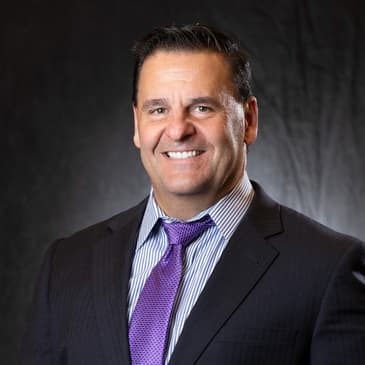
Join us on a journey through the intersection of leadership, technology, and baseball with Mike Bush, Head of Technology for the Colorado Rockies. Discover how Mike's passion for the game and tech expertise has guided him from accounting to managing a lean, dynamic tech team in the major leagues. In this discussion, we dive into the challenges and triumphs of overseeing the Rockies' vast tech landscape, the exhilaration of opening day, and the rigorous demands that come with ensuring Coors Field and all related facilities run without a hitch.
In this episode, we discuss the following:
1. Giving credit for successes to your team and taking responsibility for failures.
2. Keeping your promises and being consistent in your actions to build trust.
3. Building and leveraging strong personal relationships for mutual support and collaboration.
CONNECT WITH MIKE:
https://www.linkedin.com/in/mikebush/
This episode is sponsored by LucidPoint
Are you struggling to take your IT organization to the next level?
We help our customers do so with confidence. Turn your vision into reality, call LucidPoint today!
https://www.lucidpoint.io/
CONNECT WITH SUSIE:
https://www.linkedin.com/in/susietomenchok/
CONNECT WITH JAMES:
https://www.linkedin.com/in/capps/
1 00:00:03
Susie: Welcome to the Quick Take podcast, the show where you get
00:00:06
targeted advice and coaching for executives by executives.
00:00:10
I'm Suzy Tomichuk.
00:00:12
James: And I'm James Capps.
00:00:13
Give us 15 minutes and we'll give you three secrets to
00:00:15
address the complex topic of issues that are challenging
00:00:18
executives like you today.
00:00:23
Susie: Hey, welcome to Quick Take.
00:00:24
I'm your host, Diti Tomacek, along with my co-host, James, my
00:00:28
second guy in command.
00:00:29
I'm number one, you're number two.
00:00:31
There you go.
00:00:33
James: I am speechless.
00:00:35
There's so many things to say here, but we have an amazing
00:00:38
guest today, and so I wanted to keep it PG-13.
00:00:42
Susie: Tell us about our guest James Keep it PG-13.
00:00:45
James: Tell us about our guests, james.
00:00:46
We're excited.
00:00:46
As part of our series of learning from leaders, we have
00:00:52
today with us Mike Bush, who is the head of technology at the
00:00:54
Colorado Rockies an amazing baseball team here in Colorado.
00:00:56
Mike, thanks for joining us.
00:00:58
Mike: Thank you.
00:00:58
It's great to be here, James.
00:01:00
I've known you a long time and I've always known you're a fool
00:01:02
of number two, so I think that's all great.
00:01:08
Susie: This is going to go.
00:01:09
Well, I can tell.
00:01:09
Yeah, I knew that number two joke was hanging out there for
00:01:13
us all.
00:01:14
James: That was an easy pitch to the baseball guy.
00:01:17
Mike: Let me knock it out of the park.
00:01:18
I appreciate that.
00:01:19
Yeah, that's really good, but yeah, thanks for having me.
00:01:23
This is super great.
00:01:25
I've been, I've been a quickster for a long time, so
00:01:28
it's it's good, it's nice to get to finally realize the dream
00:01:31
come true.
00:01:32
Be on with you, guys.
00:01:36
James: Well, we're just super happy to have you here, and so
00:01:39
what you know, we were going to talk about some of your
00:01:42
experiences as a leader and the things that you feel are
00:01:48
important for your success at the Rockies.
00:01:51
Can you just maybe tell us a little bit about how you got to
00:01:54
where you are today and before we jump in, sure, yeah.
00:01:58
Mike: So I'm actually a recovering accountant.
00:02:00
I was an accountant for about seven years.
00:02:02
I have a CPA and an MBA and then decided, you know who's a
00:02:08
bunch of cooler people than accountants?
00:02:10
Oh, tech guys, I want to go do that.
00:02:12
So, about gosh, it's been about 20, 25 years ago now I've.
00:02:18
I got into tech.
00:02:21
I came in as a quality assurance at a company called
00:02:24
FRX that was financial reporting software who got bought by
00:02:29
Great Plains, who got bought by Microsoft.
00:02:30
So I ended up in development for Microsoft for about 10 years
00:02:36
and then I let up a little startup company for about six
00:02:41
years and then the opportunity at the Rockies came about and
00:02:47
sort of a friend of a friend knew the hiring manager, and the
00:02:51
hiring manager was you know said, hey, do I know anybody?
00:02:55
And I was like, well, I'm a software guy, this is a, this is
00:02:58
a hardware networking job.
00:03:00
I said give me the, give me the , give me the job description,
00:03:04
I'll see if I know anybody.
00:03:04
And so he gave it to me and I was like give me the, give me
00:03:04
the, give me the job description , I'll see if I know anybody.
00:03:05
And so he gave it to me and I was like, hey, leadership, this
00:03:08
strategic thinking, that budget, I can do that.
00:03:14
I threw my hat in the ring and then a little bit later that
00:03:18
magic happened.
00:03:18
It's been almost eight years now and it's, you know, I've.
00:03:22
I was a baseball guy my whole life, and especially, you know,
00:03:26
in 93, when we got the Rockies here, um, you know, so it was
00:03:29
really was a dream come true for me, and it's, it's, um, it's
00:03:32
really my dream job, combining two of my passions baseball and
00:03:36
technology.
00:03:36
I mean, I couldn't be happier.
00:03:38
James: It is.
00:03:38
It is amazing, and I'm often talking to people about you and
00:03:44
your role and so many people think about what a dream job
00:03:47
that is to work for a professional sports team, and
00:03:50
you know you do.
00:03:51
Not only do you know your response for some really cool
00:03:53
stuff over there, you know working with MLB, which is
00:03:57
really a great organization, and the technology that they're
00:04:00
really leaning into, but I also know that you know your your
00:04:05
team loves working for you.
00:04:06
You have a very great organization underneath you, um,
00:04:11
widely respected, and I think that you know some of the things
00:04:14
that you're doing over there, um are worth, uh, talking about
00:04:17
and so, um, I was hoping you could share, you know, our, our
00:04:22
patented one, two, three system here, uh, patent pending, I
00:04:23
think, actually paperworkented one, two, three system here,
00:04:25
patent pending, I think.
00:04:25
Actually Paperwork is still being submitted.
00:04:27
Susie: I'm glad you're clear on that.
00:04:27
Yeah, I don't want to get.
00:04:29
I don't need any lawsuits, Don't get us in trouble.
00:04:31
James: Right after Quickster Quickster is one two, three,
00:04:33
that's right.
00:04:34
Mike: Oh, we got that one.
00:04:40
James: Yeah, that's, I think, we that maybe that that you'd like
00:04:44
to share about how you have been successful in your role.
00:04:48
Mike: Yeah Well, first of all, I just I want to brag on my own
00:04:51
team for a minute, just because they really are great.
00:04:54
You know, we're responsible for all the networking, information
00:04:58
security.
00:04:59
You know telephones like Internet, all the cloud apps,
00:05:04
everything, everything technical for the Colorado Rockies, which
00:05:08
includes Coors Field.
00:05:09
It includes Salt River Fields, our spring training facility, we
00:05:13
have a Dominican Academy and we are also now responsible for
00:05:18
technology at McGregor Square, which is the multi-use
00:05:21
development next door to Coors Field.
00:05:22
Wow, and we do that all with six people.
00:05:26
So it's an amazing amount of work and you know you want to
00:05:29
talk about just the ability to get it done when it needs to get
00:05:33
done.
00:05:34
You know, especially right now, it's the time of year, opening
00:05:38
days upon us, and that's for all the people who aren't in Denver
00:05:42
that listen to you it could be a local holiday.
00:05:45
You know we're going to have 300 people downtown.
00:05:48
There's going to be 50 at the game.
00:05:50
It's going to be crazy, it's going to be fun, it's going to
00:05:53
be exciting.
00:05:54
I'm going to have the biggest, coldest beer you've ever seen
00:05:57
after it's all over and it's a good time for everybody.
00:06:04
But you know I'm super proud of my team.
00:06:06
There's not one of them that we could do it without.
00:06:10
And you know it's really an honor to be able especially
00:06:17
because I came in, I was inserted as a leader of a team
00:06:22
that was already there.
00:06:22
Now we've had a little turnover one person retired and we were
00:06:27
able to replace one other.
00:06:28
But you know it's just an honor to be able to be have a
00:06:35
high-performing team being inserted, sort of at the top
00:06:38
quote unquote, even though I don't really see myself that way
00:06:41
, but that's a huge honor for me .
00:06:45
James: Well, that's, I mean, what a remit too.
00:06:47
I mean you just a much more than perhaps people think.
00:06:50
And and, uh, you know, I guess every, every club has its own uh
00:06:55
, span of control at that level and how much they, they, they
00:06:58
manage.
00:06:58
So that's that's impressive.
00:07:00
I, I didn't realize you did McGregor Square.
00:07:02
That's, that's still a lot of really impressive stuff.
00:07:06
So let's jump in.
00:07:09
And why don't you give us, you know, one of the things that you
00:07:12
think is really key to keeping that amazing team amazing?
00:07:17
Mike: Yeah.
00:07:17
So you know, I want to, I want to harken back to some other
00:07:23
great episodes you guys did earlier, and I'm going to call
00:07:25
this back to basics because, um, I I think that, uh, the, the,
00:07:30
my, you know one, two, three that I have are are, um, things
00:07:33
that we all know, but things that we're all inclined to
00:07:36
forget.
00:07:37
So um uh, so I'm just gonna I'll start out with number one, and
00:07:41
it's just so simple and it's take blame and give credit,
00:07:44
right.
00:07:45
So you need to, um, to, to, uh, really celebrate victories of
00:07:52
your team and, and you know, celebrate it within the
00:07:54
organization.
00:07:55
You know, not in a not not in a braggy way, because people get
00:07:57
sick of that, right, but if there's something that needs to
00:08:01
be shared, share it.
00:08:01
And then, when, when something gets screwed up, you got to, you
00:08:05
know, turn your back and take those arrows for your team.
00:08:08
You got to just be able to, to, to have enough confidence in
00:08:12
your own leadership ability to be able to, uh, you know, just
00:08:16
just be able to, to, to take those arrows and, um, you know,
00:08:19
the, the.
00:08:20
The most important thing that about that is, you know, you
00:08:22
have to make it a safe place for people to try things.
00:08:27
You know it just has to be, because what that's going to do,
00:08:31
it's going to foster innovation and especially in the tech
00:08:34
world, right, we always need to be on the bleeding edge and if
00:08:37
people are allowed that freedom to go try something new or to
00:08:42
try something in a different way and you know it's especially
00:08:45
important for us because you know, we've been around 30 years
00:08:49
and I would say you, you know, we're sort of uh, let other
00:08:54
people try at first type of an organization and and, um, and
00:08:58
we'll bring it in and once it's sort of proven, especially in a
00:09:01
baseball world, and um, you know , if we can start getting out
00:09:06
front and some of that, in front of some of that stuff, um, it's
00:09:10
great and I like when, when my guys bring that stuff to me
00:09:14
because, um, you know it, just uh, it just helps them think
00:09:19
outside the box.
00:09:19
God, I'm all, I'm just full of cliches, aren't I?
00:09:25
James: And they're, they're, they're.
00:09:26
Not too many baseball cliches either.
00:09:28
Susie: So you're right.
00:09:30
James: Although that outside the box.
00:09:31
That could be a that's definitely possible.
00:09:33
Mike: It could be.
00:09:33
Yeah, yeah, rattered box, that's right, yeah.
00:09:36
Susie: So I and just to comment on I like that.
00:09:39
It's so, so good.
00:09:41
You know, one thing you did at the very beginning when you kind
00:09:43
of framed what your group is responsible for.
00:09:46
It's so good as a leader for people to understand that kind
00:09:51
of bigger picture, broader picture, and to be proud of that
00:09:54
because that helps them connect the dots for them.
00:09:57
And so also when you when you talked about really celebrating
00:10:01
some of the successes, as leaders, we have to have an ego.
00:10:04
James and I have talked about this too have an ego, but you
00:10:08
have to be really careful to keep that in check and be able
00:10:13
to understand that when something bad does happen, take
00:10:18
a breath so that you can make sure, because it's sometimes
00:10:22
easier to say let him make mistakes.
00:10:24
You got to like give yourself a moment, to like allow it to
00:10:28
happen so you don't react, because we also want to fix
00:10:31
things too.
00:10:32
So I love that one.
00:10:34
James: Thank you.
00:10:35
Yeah, I think that's key things too, so I love that one.
00:10:37
Thank you, yeah, I think that's key.
00:10:38
That's really that, that whole nature of of of you know taking
00:10:46
credit or giving credit and and and taking blame you create a
00:10:47
safe space.
00:10:47
I think that's really the bottom line there and I think
00:10:50
that's that's super important.
00:10:52
Mike: Yeah, and and and just, susie to, to go back to a point
00:10:55
that you were making, like just to extend on it.
00:10:59
And so we're, we're in where I met James as part of a local CIO
00:11:03
group, right, and I hosted an event at Coors Field in November
00:11:08
and I was racking my brain what can I do to?
00:11:11
That would be interesting for this group?
00:11:13
And then I just decided I asked all my people to stay late.
00:11:16
They all agreed to and we just had a Q and a with them and I
00:11:20
got such hugely positive feedback from our CIO peers that
00:11:25
it was just amazing, just you know, just just to see how tight
00:11:31
we are in the camaraderie, and just you know, to explain in
00:11:35
detail all the work that we do.
00:11:37
And it was just, and it was so nice to give them the
00:11:40
opportunity to shine um in front of this particular group.
00:11:43
It was really, really great it was.
00:11:45
It was a huge success, for it was a win-win, for sure.
00:11:49
James: Yeah, it was a great, a great event and and, um, uh,
00:11:53
yeah, just allowing them, uh, to speak about what they do.
00:11:56
The pride came through so strong and that was amazing.
00:12:01
So let's jump to number two.
00:12:03
What's the second item that you got?
00:12:07
Mike: Yeah, yeah, and again, it's just so simple.
00:12:10
I'm almost embarrassed, but it's just do what you say you're
00:12:13
going to do, right, and I know I'm an avid quickster, you know,
00:12:18
I have to admit.
00:12:18
So I know that you guys talk about this in different flavors
00:12:23
quite often and I'm just going to echo it because it's just so
00:12:26
valuable and it's something that so many people forget.
00:12:30
And you know, for me it's, it's not even I always intend to do
00:12:37
what I say I'm going to do, but you know, with, with the
00:12:40
pressures that we have, um sort of leading the group, um, uh,
00:12:45
the, the thing that I always felt myself doing, or caught
00:12:48
myself doing, was just forgetting, you know, and and
00:12:51
then that makes whoever you said you're going to do feel very
00:12:54
unimportant, right?
00:12:55
So, um, the the thing that that that I've done, uh, quite
00:12:59
recently, um, thanks to another one of our, our friends, uh,
00:13:03
james Dolores um, you know, come up with an accountability
00:13:06
system for yourself.
00:13:08
Susie: And you know I.
00:13:09
Mike: I, I'm great at writing stuff down and writing to do's
00:13:11
and things like that, and she gave me the best tip and it was
00:13:15
great.
00:13:15
And it is when you write stuff down, if you put something in a
00:13:19
square the things that you have to follow up on and things in a
00:13:24
circle that other people have to follow up on, and then just
00:13:27
cross it out whenever you're done, it's like I mean, I still
00:13:31
forget stuff, but had a lot less frequency than I used to.
00:13:34
Right, yeah, but it you know, just coming up with that
00:13:39
accountability system has been huge for me.
00:13:42
Susie: Yeah, so, and you're right, we, we do talk about
00:13:45
trust when you, when you do what you say you're going to do, and
00:13:47
people look for leaders that instill trust in them.
00:13:51
And to your point too, if you, you.
00:13:53
That accountability system is so important, because if you're
00:13:56
not able to do what you said you're going to do, for whatever
00:14:00
reason, closing the loop is also as worthy.
00:14:03
James: Just as important.
00:14:04
Yeah, right, right, right.
00:14:05
That's the second time this week.
00:14:07
Actually, suzy, we've heard you and I have talked about
00:14:10
somebody having a notebook or a system that they track
00:14:15
everything.
00:14:15
I think you were working with somebody whose leadership team
00:14:19
also had a book.
00:14:20
What was that?
00:14:22
Susie: Yeah, a leadership notebook.
00:14:24
A very senior person said he keeps a leadership notebook that
00:14:28
he goes back to on a regular basis, monthly, and rereads some
00:14:32
of the things about what he wanted to remember.
00:14:34
So having that is, I think, really powerful.
00:14:38
Mike: Yeah, through that CIO group too, I have the
00:14:41
opportunity to mentor a couple of guys, so Bobby and Swami they
00:14:46
actually are quicksters as well now, because one of my guys
00:14:52
actually just got a promotion to CTO, of my guys actually just
00:14:58
got a promotion to CTO and and you guys just happened to do a
00:15:00
uh an episode on uh, the for the great three things to do after
00:15:02
you get your big promotion, and so it was perfect timing for him
00:15:05
.
00:15:05
So, um, that was awesome.
00:15:07
But, but, um, as part of that, um, we read uh, we're doing a
00:15:11
book club with a book called the leadership challenge and um,
00:15:16
that's it's.
00:15:16
I've read it.
00:15:17
I've read it four or five times now, and anytime I get an
00:15:24
opportunity to mentor somebody, that's the book I go to, because
00:15:25
it's just at the heart of of what I want to be as a leader.
00:15:27
So that's it.
00:15:30
James: Yeah, I know that you've quoted that book to me a number
00:15:32
of times, um, and I do think it is a, it's a classic and, and
00:15:35
you know, it's kind of going like you were mentioning, going
00:15:38
back to basics, right, I love the fact that we, as humans, can
00:15:41
hear something five times, and that's six time.
00:15:43
It hits you right between the eyes, um, and so you know, uh,
00:15:48
you know, forever curious and always learning and be open to
00:15:51
hearing that stuff.
00:15:52
Um, uh, it goes a long way.
00:15:54
All right, let's hear your third item.
00:16:00
Mike: You know.
00:16:00
The third one again.
00:16:02
You know, maybe it's not so basic, especially if you're more
00:16:06
of an introvert, but I'm not so , I don't get it.
00:16:09
But it's just leveraged personal relationships.
00:16:14
You know, and I'm not just saying that, um, you know, just
00:16:18
like for, for, for people on your team, and you know, um,
00:16:22
people that are working for you.
00:16:23
But you know you gotta do it with peers, you've got to do it,
00:16:27
you've got to leverage your personal relationships up.
00:16:31
You know it's, it's, it's just so important to to have that
00:16:35
other connection with people.
00:16:37
You know, and I'm not saying be unprofessional, right, but if
00:16:41
you, if you ask long enough, you're going to find something
00:16:44
in common with somebody that every time you see them from now
00:16:47
on you can at least talk about that one thing, and then that's
00:16:50
always going to break your ice with that person.
00:16:52
And you know that's that's.
00:16:55
I finally got my head out and started doing that in
00:16:59
professional settings too, you know.
00:17:01
So, like our CIO groups, and you know the different
00:17:05
conferences I go to and things like that, our CIO groups, and
00:17:07
and you know the the different conferences I go to and things
00:17:09
like that I always make it a point to just like find out as
00:17:11
much as I can as I can about you know people that I've never met
00:17:15
before and it's just so exciting and that that energizes
00:17:18
me Right, and that's part of you know, whenever you're
00:17:21
talking about the Myers-Briggs type indicator I scored a
00:17:24
hundred percent on an extrovert, so take that for what it's
00:17:27
worth.
00:17:27
James: Indicator I scored a hundred percent on an extrovert.
00:17:29
So take that for what it's worth.
00:17:35
Mike: But but I just get my, I just get my energy from from
00:17:37
meeting people and knowing people and then being able to,
00:17:38
to, to refer back and and and remember.
00:17:40
I mean.
00:17:40
But the thing that stinks about me on that respect is that I'm
00:17:43
in the world I'm the worst with names, so I'll be like oh,
00:17:47
you're the person that you know hit 800 in that softball league.
00:17:51
How are you doing, buddy?
00:17:52
You know like so you can give me one, two, three tips on
00:17:57
remember people's names.
00:17:58
That would be great yeah.
00:18:00
James: Yeah, that's.
00:18:01
I don't have any of those tips whatsoever, so I do have to.
00:18:05
Susie: I have to comment here because I listened to a great
00:18:07
podcast Tim Ferriss did and there was a guy on it that was
00:18:14
just talking about connection and relationships.
00:18:15
And he did this thing where he wrote down all the good things
00:18:17
that have happened to him in his life and it was a very long
00:18:20
list and what he discovered about it it was all connected to
00:18:24
people he knew.
00:18:25
And so now get this he challenges himself to connect
00:18:30
with a thousand people every quarter.
00:18:31
Wow, a thousand, yeah.
00:18:35
Mike: I'm not that big of an extrovert.
00:18:38
Susie: But the connection.
00:18:39
His point is that we need to invest in each other.
00:18:43
And even just that connection you don't even know why in each
00:18:49
other, and even just that connection you don't even know
00:18:50
why, but you could be giving and also getting it.
00:18:51
It goes both ways.
00:18:51
So I love that advice.
00:18:52
I think that is so core to why we're here as leaders is to help
00:18:57
others.
00:18:58
James: Definitely.
00:18:58
Yeah, you know I agree with what you're saying.
00:19:01
I want to pivot just slightly off of the energy part and the
00:19:06
extrovert part, because there are people that don't naturally
00:19:10
want to do that, that you might as well have said please eat
00:19:14
several spiders to our listeners when you said interact with a
00:19:18
thousand people a day, because that is very difficult in some
00:19:21
cases.
00:19:22
And but what I want to highlight is, as you were telling that
00:19:24
story, as I remember talking to somebody who had just been
00:19:27
promoted underneath me, and they said I'm going to do the job
00:19:30
but I'm not going to play politics.
00:19:32
And I and my thought to my response to them was I'm sorry,
00:19:35
politics is the job.
00:19:37
And now, at some level, what those connections?
00:19:41
Your advice is fantastic Leverage those relationships.
00:19:44
But at a senior level, the relationships is they are the
00:19:48
job.
00:19:48
Susie: Totally Right.
00:19:49
James: Because if we all were just standing in our own little
00:19:52
silos and doing the job and everything got done, that's a
00:19:55
different kind of event.
00:19:55
That's that's.
00:19:56
You know this goes back to uh this is a coincidence, I
00:20:00
apologize frankly that there's this football versus baseball.
00:20:03
Right, football players do one thing, no matter where the
00:20:04
football is, versus baseball.
00:20:05
Right, football players do one thing, no matter where the
00:20:06
football is, they do it.
00:20:07
Baseball players have to respond as a team to what is
00:20:11
happening, and so, as leaders, it's more jazz than it is um, uh
00:20:18
, a, an orchestra, a symphony, and so I think relationships are
00:20:23
the, are the, the lubricant that makes that happen, and I
00:20:25
think that those people that choose not to take advantage of
00:20:28
that and realize how important it is are just simply not as
00:20:33
successful.
00:20:33
Mike: Yeah, and I, you know, just to sort of tell a story
00:20:38
about sort of the outcomes of that, you know sort of a success
00:20:46
story for my team, and that is two years ago three years ago
00:20:52
now, I don't know if you remember, but the All-Star Game
00:20:57
came to Denver and it was sort of a surprise.
00:21:01
Usually you get two years to plan for it.
00:21:03
We had 13 weeks.
00:21:04
So we had to really pull together and leverage all of
00:21:09
those relationships as a team, within each other, but also
00:21:13
within our vendors and with our MLB community, and luckily we
00:21:18
have those relationships with those people, with all these
00:21:21
people we needed to rely on to pull that off.
00:21:23
Now that was, you know, 28 straight days of 10 hour days.
00:21:27
But you know, and and I got all reflective on it you know which
00:21:31
is it's.
00:21:32
It's might be silly, but it was the first major national event
00:21:36
coming out of COVID.
00:21:37
So, you know, and we pulled it off, and my team pulled it off
00:21:41
and and we, you know, so I was like I had a little tiny part of
00:21:45
bringing America out of COVID and that was just really great.
00:21:50
But the biggest compliment out of all of that was, after it was
00:21:53
over, the CISO for MLB Neil Boland.
00:21:56
He came to me and said you know , when he heard they were moving
00:22:02
the All-Star game to a different team, he there's one
00:22:06
of two teams that knew they could that could pull it off in
00:22:09
mind.
00:22:10
So just cause he knows my people, yeah, that's great,
00:22:13
that's so great.
00:22:15
James: That's a great story and, yeah, that was an amazing thing
00:22:17
.
00:22:17
I remember that was a yeah, it was a light switch.
00:22:20
It's coming here, get ready Um and um, that was amazing.
00:22:25
And yeah with, you're absolutely right.
00:22:26
I do remember that game.
00:22:27
I do remember feeling that it was, you know, the path towards
00:22:31
normalcy, and it was a great feeling that that we had that
00:22:34
here in Colorado as well.
00:22:36
So I think that that feeling you have about what that brought
00:22:40
to everybody, I think, is as well Well, well earned.
00:22:45
Susie: All right, james, do it.
00:22:47
What are the three?
00:22:48
Can you remember?
00:22:48
All right, let me see if I get this right.
00:22:50
James: So the three keys to to becoming an amazing leader by
00:22:55
like, uh, uh, our friend here, mr Bush, uh, would be one.
00:22:58
Um you know, take blame or give credit and take the blame right
00:23:03
.
00:23:13
take the blame right.
00:23:14
Give credit, take blame.
00:23:15
Second one is you know, do what you say you're going to do.
00:23:16
Create that trust, be consistent with your folks.
00:23:17
And then three leverage relationships Know that you know
00:23:21
what got you here is probably based on the people that you
00:23:24
work with and take advantage of that and and, and you know, lean
00:23:29
on each other so you can be better.
00:23:31
Susie: Those are three great items.
00:23:32
You hit them out of the park.
00:23:34
No strikes there.
00:23:37
James: See what I did there.
00:23:38
You're welcome.
00:23:39
That was pretty good.
00:23:40
Yeah, I'm pretty, I'm damn impressed.
00:23:44
Susie: I know you are, I know you are.
00:23:46
Hey, mike, thank you so much.
00:23:50
This was great wisdom and it was just really fun to hear your
00:23:54
insights and context to leadership.
00:23:57
Mike: Thanks for being here, Mike.
00:23:57
Thank you for the invite.
00:23:59
This was even better than I expected.
00:24:04
James: Hey Susie, I was wondering have you ever had to
00:24:06
turn down a consulting or coaching agreement, and why?
00:24:12
Susie: It's really hard for me to say no, that's really hard.
00:24:16
Yes, I have had to.
00:24:22
The reason was I could tell that the leader was thinking
00:24:29
that his team needed to be better leaders, they needed to
00:24:34
take feedback, they needed all these things.
00:24:37
But the problem was really him, and I could tell from very
00:24:48
early meetings and I was suspect of it.
00:24:49
And then we continued to have additional contextual meetings
00:24:51
by adding some more of his members of the team and I
00:24:53
realized, oh, this is, I'm exactly right, it's, it's really
00:24:58
him.
00:24:59
James: And so that's tough.
00:25:00
Susie: Yeah, I just decided it wasn't something I wanted to
00:25:03
take on because I I didn't feel like I could change him thing I
00:25:09
wanted to take on because I didn't feel like I could change
00:25:12
him.
00:25:12
James: No, those are huge challenges.
00:25:12
I mean, at some point, even there are people that are
00:25:14
frankly just uncoachable.
00:25:15
That's tough.
00:25:16
Susie: Yep, that's true.
00:25:17
I would agree with that.
00:25:18
I would say that's not a universal belief, but I
00:25:24
definitely believe it.
00:25:24
Thanks for listening to this week's episode of Quick Take,
00:25:30
where we talk about the questions that are on the mind
00:25:32
of executives everywhere.
00:25:34
Connect with us and share what's on your mind.
00:25:37
James: You can find us on LinkedIn, youtube or whatever
00:25:39
nerdy place on the internet.
00:25:40
You find your podcasts.
00:25:42
Our links to the show are in the show notes.
00:25:45
Susie: We appreciate you.