
Rethinking Hierarchy with the "First Team" Leadership Approach
What if your loyalty shouldn't lie with your direct reports, but with your peers? In this episode, we dive into the “First Team” leadership approach, a mindset shift that challenges the traditional org chart. We talk about why prioritizing your colleagues at the same level can create stronger alignm...
Balancing AI Adoption with Human Connection
AI can help us move faster, work smarter, and even prep for a one-on-one. But what happens when we start using it as a substitute for human connection? In this episode, we explore the tension between efficiency and empathy. From trust breakdowns to team assignments gone sideways, we talk about how e...
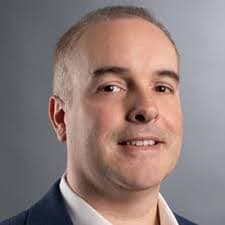
Ever wondered how to tap into the hidden potential of your team? Diego Silva, Chief Information Officer at Gates Corporation, joins us to share his expertise on maximizing team strengths and fostering an environment where every individual, from interns to VPs, can truly shine. Discover the transformative power of strategic leadership that appreciates the diverse superpowers of each team member. With Diego's guidance, learn how to create alignment within your team that not only leads to success but also garners recognition and praise.
We also dive into the finer points of leadership, especially in the tech world, where the interplay between guiding and giving autonomy is delicate yet crucial. Recognizing team achievements with unique traditions can be a game-changer, and we'll explore how these celebrations propel continuous improvement. This episode is packed with wisdom on team dynamics, executive strategies, and the burgeoning questions that today's leaders grapple with.
In this episode, we discuss the following:
1. The importance of recognizing and leveraging the unique strengths of each team member.
2. The significance of providing teams with clear objectives or "mountains to climb".
3. The role of leaders in actively participating in the team's journey.
CONNECT WITH DIEGO:
https://www.linkedin.com/in/diego-silva-bio/
This episode is sponsored by LucidPoint
Are you struggling to take your IT organization to the next level?
We help our customers do so with confidence. Turn your vision into reality, call LucidPoint today!
https://www.lucidpoint.io/
CONNECT WITH SUSIE:
https://www.linkedin.com/in/susietomenchok/
CONNECT WITH JAMES:
https://www.linkedin.com/in/capps/
1 00:00:03
Speaker 1: Welcome to the Quick Take Podcast, the show where you
00:00:06
get targeted advice and coaching for executives by
00:00:10
executives.
00:00:10
I'm Susie Tominchuk.
00:00:12
Speaker 2: And I'm James Capps.
00:00:13
Give us 15 minutes and we'll give you three secrets to
00:00:15
address the complex topic of issues that are challenging
00:00:18
executives like you today.
00:00:23
Speaker 1: All right.
00:00:23
So I'm super excited.
00:00:24
Today we have Diego and we told you a little bit about him.
00:00:28
James, why don't you just kick us off?
00:00:30
Speaker 2: We're super excited to have a new program here which
00:00:33
is really straight talk from the top, and so we're bringing
00:00:36
in some amazing guests like Diego to talk about the things
00:00:39
that they really want their staff to hear.
00:00:41
And so, diego, we were chatting earlier about the work that
00:00:46
he's done and the exciting things he's doing at Gates.
00:00:48
So, diego, why don't you tell us a little bit about your firm
00:00:52
and the role you play there?
00:00:55
Speaker 3: Sure, so I'm Diego Silva, chief Information Officer
00:00:58
at Gates Corporation.
00:00:59
Gates is a very iconic company here in Colorado.
00:01:03
It's been here for more than 100 years, started here, it's
00:01:07
now in more than 30 countries.
00:01:09
So we manufacture products for fluid power and power
00:01:16
transmission.
00:01:17
So we're talking about bales and hoses, but they go into
00:01:19
multiple products, from a Peloton thread mill to a 3D
00:01:24
printer.
00:01:25
You will see our products everywhere.
00:01:26
So, personally, a little bit about myself.
00:01:30
I've been in this industry for quite some time.
00:01:33
On IT.
00:01:33
I started when I was 18 years old, building internet startups
00:01:37
in my home country, uruguay.
00:01:39
I came to the US, did an MBA and then I went to Europe.
00:01:42
I did the Europe for 10 years.
00:01:44
I came back to the US seven years ago and I had the
00:01:49
opportunity to join Gates three years ago.
00:01:51
So I've been in Colorado for the last three years.
00:01:54
Speaker 2: That's so great because both Susie and I
00:01:57
everybody knows we're townies, we've been here multiple
00:01:59
generations and that Gates facility downtown has been there
00:02:04
for a million years and it's just so great that that company
00:02:09
continues to be a key part of our fabric of Denver and it's so
00:02:15
cool that it's still doing some unique and progressive stuff.
00:02:18
I've been to Diego's office.
00:02:20
The entire powertrain for the Tesla is in there, the stuff
00:02:25
that it does for Peloton, like you mentioned, the chainless
00:02:28
bike chains for lack of a better term very cool technology.
00:02:31
I've looked at that for my own bike.
00:02:33
So cool stuff.
00:02:35
You know, it's super exciting to see that company like that grow
00:02:39
and you know, diego, you're a great leader at that company.
00:02:42
You've been received numerous awards over the years and you
00:02:48
continue to be a great leader, so we're excited to have you
00:02:51
here today to talk about some of the tricks of your trade.
00:02:54
So, with that, really, what I'm going to do is I'm going to let
00:02:58
you, you know, identify.
00:03:00
You know some of you have some ideas on thoughts, on the things
00:03:03
that you want your people to hear.
00:03:04
So why don't I let you, uh, jump in and give us the first
00:03:08
nugget of of of Diego wisdom?
00:03:10
Speaker 3: I mean the topic today we're we're covering is
00:03:12
about building basic class organizations, and one of the
00:03:15
things that, for me, I've gained has been incredible in the last
00:03:18
two years is we've been driving a transformation.
00:03:21
Uh, we won six awards in the last 18 months and a lot of
00:03:26
people think maybe it's about me , but it's not about me, it's
00:03:28
about the team that's driving this.
00:03:30
So some of the things that I wanted to share with everybody,
00:03:34
some of the tips or things to think about is the first one is
00:03:37
about everybody has a superpower .
00:03:40
Our job as leaders is to identify this power in each
00:03:44
individual to put together the right cocktail mix.
00:03:48
Sometimes I come across people that have great talents but they
00:03:50
are assigned to the wrong area or they're in the wrong project.
00:03:53
Making those corrections make a significant difference in the
00:03:58
effectiveness of the team.
00:04:00
This is a little bit also like a soccer team you want to have
00:04:04
the right player in the right place.
00:04:06
Usually don't put the goalkeeper.
00:04:08
You don't ask the goalkeeper to go score I mean he can do that
00:04:12
but you want to make sure you build that effectiveness in the
00:04:15
team.
00:04:16
Speaker 1: Yeah, you know what's so interesting about that too.
00:04:19
I think it's such a good point.
00:04:20
What leaders often forget is that those people don't always
00:04:24
know their own superpowers, and so being that outside person to
00:04:30
help bring that out and show them, to give them that
00:04:32
confidence to use that, it takes space and time to allow
00:04:38
yourself to understand that so that you can articulate it to
00:04:41
them or just let them shine.
00:04:44
Speaker 2: Yeah, I love that.
00:04:45
It's so often I mean, as a coach, you know, Susie, you see
00:04:49
it a lot where people are just not sitting on the right seat of
00:04:52
the bus or they have some belief that I have to be a
00:04:57
manager, when at the end of the day, they are a better
00:04:59
individual contributor.
00:05:00
And yeah, I think that that's one of the most important roles
00:05:05
a leader can play is to really help folks find their super
00:05:08
power.
00:05:08
Speaker 1: Yeah, I love that.
00:05:09
And you don't have to be better than them at their superpower.
00:05:12
I think that's what Diego's point is, too, is, let them be
00:05:17
them, let them shine.
00:05:18
What else would you add, diego?
00:05:21
Speaker 3: Correct.
00:05:21
I mean, and even on that same line, I mean, this is why
00:05:24
diversity is so important.
00:05:26
You want to have that diversity of thought, diversity of skills
00:05:29
and, as you look at the organization, it's also
00:05:33
everybody in the organization, from the VP to the intern, that
00:05:36
you need to bring up to the table to make up that team,
00:05:40
because everybody's going to bring something different.
00:05:43
When we think about teams, it's usually a pretty flat
00:05:46
organization.
00:05:46
There are no hierarchies.
00:05:47
So this is why you want to spend as much time with the
00:05:52
interns, with the middle management, with everybody, and
00:05:55
make sure the team works together towards that goal.
00:05:59
Speaker 2: Yeah, really well said, and I think that that's
00:06:01
one of the things that you know.
00:06:02
When I've talked to you about what you've done with your teams
00:06:04
and I've heard you speak, it is your, your uh willingness as an
00:06:08
individual, as a leader, to go out and meet people where they
00:06:11
are, help them understand the role they play and help them
00:06:14
find the right.
00:06:14
The right role is just uh, it's a testament to the progress you
00:06:19
guys have made.
00:06:20
Speaker 1: Diego, what is your tip or what is your trick, Like
00:06:23
how do you find people's superpowers?
00:06:25
What are the things that you do that you think people miss out
00:06:29
on by really exploring that?
00:06:32
Speaker 3: Well, I think the first thing is you need to
00:06:33
observe and you need to have a people focus.
00:06:37
I spend probably 70% of my time on people things versus IT
00:06:44
things, trying to identify what people is good at, what the
00:06:48
strengths, what are the weaknesses, where they need some
00:06:50
help, and then try to make sure that they are assigned to the
00:06:55
right task and, you know, try to get the I mean getting the team
00:07:01
together, working together.
00:07:02
A lot of this is observation, is understanding, is having
00:07:07
conversations with them, understanding their needs and
00:07:11
what they want to do, and then making sure that you give them
00:07:14
an opportunity to shine.
00:07:18
Speaker 2: Yeah, you know, I often say you know the tech part
00:07:20
as a technology part, the technology as a technology
00:07:23
leader.
00:07:24
The tech part is the easy part.
00:07:25
Right, it's the people part that's hard, and those of us
00:07:29
that are that you know I think the people that are successful
00:07:31
there know that because you know the tech will figure itself out
00:07:34
.
00:07:34
It's.
00:07:34
Getting the people lined up is the second, is the hardest thing
00:07:37
.
00:07:37
All right, so let's pivot.
00:07:38
Diego, hit us with your second nugget.
00:07:44
Speaker 3: The second one is that the team needs a mountain
00:07:46
to climb, and we're in Colorado.
00:07:48
There are lots of mountains.
00:07:49
So that's a good analogy.
00:07:51
A strategy, vision, a plan and, ultimately, a challenge are
00:07:57
critical for the team to take on .
00:07:59
It's important that they have that sense of purpose, that they
00:08:01
have that sense of purpose, that they have a goal, they have
00:08:03
something that they want to go after, and this is usually
00:08:08
something that they can only achieve as a team.
00:08:12
They won't be able to do on the round.
00:08:14
It's something they've not done before.
00:08:16
On the round, they're going to need to, I mean, take advantage
00:08:21
of the rest of the team to get there, and that's critical.
00:08:25
We as leaders need to provide that clarity, help define that
00:08:29
end state or that mountain that we want to climb.
00:08:34
We can also bring them into that as part of the process.
00:08:40
They can help us define that.
00:08:42
But we need to set a goal that's challenging, that it's
00:08:46
going to stretch and it's going to challenge them to do things
00:08:50
that maybe they haven't done before.
00:08:52
Speaker 2: That's a good one.
00:08:53
Help me understand.
00:08:57
So many of us in technology aren't lucky enough to be
00:09:01
working on the greatest thing in the world.
00:09:03
You know there's.
00:09:04
I'm not.
00:09:05
You know I don't have my AI team and my next generation
00:09:08
product team.
00:09:09
You know a lot of folks are doing, you know, technical debt
00:09:12
resolution, bau, bug fixing.
00:09:14
How do you find that mountain in a pile of garbage?
00:09:19
What's your strategy there?
00:09:20
Mountain in a pile of garbage?
00:09:22
Speaker 3: What's your strategy there?
00:09:23
Well, in many cases, when we look at what needs to be done in
00:09:27
IT, I mean you need to address technical dev.
00:09:30
There are things you need to do like ERP replacements,
00:09:34
cybersecurity things, just to keep things going, and then you
00:09:39
have the AIs.
00:09:40
You have the more, let's say, shiny tools and cool things that
00:09:44
you want to do as an organization.
00:09:47
One of the things that I play with quite often is with the
00:09:51
time.
00:09:51
How long is it going to take us to resolve?
00:09:53
And the sooner we resolve some of the ERPs, the low-hanging
00:09:59
items that we need to address, the more time we're going to be
00:10:02
able to spend on the more interesting things that add
00:10:04
value.
00:10:04
So, for example, one of the things I challenge my team on is
00:10:08
to execute projects in a really , really short period of time.
00:10:13
There are projects that I've done before in previous
00:10:17
organizations that have taken me maybe two years, that I
00:10:21
challenged the team and said look, we don't have two years,
00:10:23
we're going to need to do them in six months, and initially the
00:10:26
reaction is that this is not possible, of course.
00:10:29
But then, once they get together and they start thinking
00:10:34
different, they start changing the way to approach the problem.
00:10:39
I mean we have demonstrated and they've been incredibly
00:10:42
successful at getting those things done in incredible I mean
00:10:46
really really fast breaking of records.
00:10:48
So the time sometimes is one of those challenges.
00:10:52
Sometimes it's exploring a new area that we've never been
00:10:58
before.
00:11:00
But, yeah, you need to set something that is going to be
00:11:04
challenging for them, Because once you get to the end and once
00:11:07
they accomplish that, that sense of accomplishment, that
00:11:10
celebration that you can do, is going to also motivate them to
00:11:14
go and they're going to come back and ask what's the next
00:11:17
mountain now?
00:11:17
And that's the most exciting part of the journey.
00:11:21
Speaker 1: You know, you mentioned that they have to do
00:11:24
it together and I think that when a team has been working
00:11:27
together for a long time and they've faced that mountain
00:11:30
before, they kind of understand their roles.
00:11:33
But how would you give some advice to people that have a
00:11:37
newer team?
00:11:38
Or how do you get people to understand to be dependent on
00:11:43
one another and and how they'll work together, and how do you
00:11:46
insert yourself along the way to make sure that they're really
00:11:49
collaborating well?
00:11:50
Speaker 3: Yeah.
00:11:50
So the and this actually leads into my third, my third
00:11:56
recommendation Classic Susie Susie's always good about that,
00:11:58
she's Sorry, yeah which is don't sit on the sidelines, right,
00:12:03
you need to empower the team so they can drive, but you also
00:12:07
need to identify where help is needed, develop the individuals
00:12:10
and help remove obstacles.
00:12:12
You are also part of the team.
00:12:14
I mean, it's not like you and the team.
00:12:17
You are part of the team.
00:12:19
You also bring, as a leader, certain strengths and weaknesses
00:12:22
into the equation and you need to make sure that you help them
00:12:26
out.
00:12:26
It's not about hiring people and delegating.
00:12:30
You need to win the wins and help them out.
00:12:35
You need to keep in mind your job is to make them successful.
00:12:38
If you make them successful, then they will make you
00:12:41
successful, so all the focus needs to be on that.
00:12:45
Speaker 2: Yeah, I love that and I think you're right.
00:12:46
Those are two, really you know, complementary things.
00:12:49
I do want to go back, briefly though, to you know that having
00:12:54
a mountain to climb I love, where you know you were giving
00:12:57
folks context.
00:12:57
You know, yes, we have to do the CRP thing, but it's, it's
00:13:01
part of a bigger picture, and I like the idea of breaking it up
00:13:03
into consumable boxes.
00:13:04
Uh, for um, for you know that that you know little wins on on
00:13:10
a bigger spectrum.
00:13:11
Um, I also think that one of the things that that I find
00:13:14
really interesting is that, um, you know, to your first point,
00:13:19
which is, you know, sometimes there are people who are really
00:13:30
interested in fixing bugs, there are people who love cleaning up
00:13:32
old code.
00:13:32
I have a team member who we, you know, we have multiple CRM
00:13:33
systems in place and his goal for the, you know, for the next
00:13:36
three years is to kill all of them, and that's his.
00:13:38
And he wants that we have an entire initiative to build a new
00:13:39
one, but that's not.
00:13:40
And he wants that we have an entire initiative to build a new
00:13:42
one, but that's not what he wants.
00:13:43
He wants to be the person that ends that, and so I think yes,
00:13:47
having identifying the battles, the mountains to climb, but also
00:13:52
finding the right people to find the right battles, is
00:13:54
equally huge.
00:13:56
Speaker 1: I find that, leaders also, it's so hard not to show
00:14:00
all the parts, like James you just said, kind of show them the
00:14:03
pieces or the you know the milestones.
00:14:06
Maybe it's hard to think about how do you give them the goal,
00:14:11
give them some parameters and then back out but no one to go
00:14:16
in and it's an art more than a science.
00:14:18
So do you guys see it that way, from two people that are very
00:14:21
technical?
00:14:31
Speaker 3: Is that a challenge?
00:14:31
Yeah, I mean and and and look, um, we also um, we will not
00:14:33
always be successful, right?
00:14:34
So you need to set these mountains, you need to start
00:14:35
climbing, You're going to, you're going to start going,
00:14:37
you're going to learn new things through the process, you're
00:14:39
going to adjust and then you're going to try again.
00:14:41
So it's a continuous process and you learn through the
00:14:45
process also.
00:14:46
But, yeah, I mean giving people , you know, small, you cut the
00:14:55
problem into different pieces and then in pieces that they can
00:15:01
, they can resolve, and then, once you put it together, I mean
00:15:04
you get there.
00:15:06
I mean, one of the things that I also always, um, also play with
00:15:10
is I don't necessarily tell everybody, I mean, what the big
00:15:15
full picture is gonna be, um, and then you know we get moving
00:15:20
in that direction and then, by by the time, they realize
00:15:23
suddenly, oh my gosh, we're already there and we're already
00:15:26
done all this.
00:15:27
And this is, I mean, another little bit of a different
00:15:31
strategy.
00:15:31
Sometimes, when you go and you tell people about, yeah, we're
00:15:35
going to climb the Everest and we can hardly walk, I mean they
00:15:38
cannot imagine, they cannot see how that's going to happen.
00:15:42
So this is where you need to take them through a journey.
00:15:45
And then suddenly you, they realize you're already halfway
00:15:47
through the mountain.
00:15:48
And then it's like, well, you know, it's just a little bit
00:15:51
more and we'll get there.
00:15:52
So there are some, some techniques to get there.
00:15:56
Speaker 2: You know I love the way you put that and and you
00:15:58
know when you, I always joked that.
00:16:00
You know when you, I always joked that you know there are
00:16:03
some technical people on my team that don't want the big picture
00:16:04
.
00:16:04
They want to know what they have to do on Thursday, right,
00:16:07
and that's what they want to focus on.
00:16:08
Don't bother them with the budget, don't bother them with
00:16:12
the next generation product.
00:16:13
They want to be right here.
00:16:14
But then there are also technical people who want to
00:16:16
know where we're going to be in 20 years, and that, I think,
00:16:19
goes back to the superpower identification.
00:16:21
You have to know your people know what their drivers are and,
00:16:25
as as senior leaders, obviously you can't do that at an
00:16:28
individual level.
00:16:29
We don't have that scale.
00:16:30
But you know, I think that's the challenge of of a large, of
00:16:33
a large team.
00:16:35
Speaker 1: When you're done, how do you celebrate and how do you
00:16:38
look back and how do you really benefit from the process for
00:16:44
the team?
00:16:44
What do you do?
00:16:44
What are your best practices?
00:16:47
Speaker 3: So every project, as soon as we finish, we celebrate.
00:16:50
It can be something as simple as a dinner to something a
00:16:56
little bit more creative and different, dinner to something a
00:17:01
little bit more creative and different to.
00:17:02
For example, one of the things that we we started in.
00:17:04
We're doing at gates in it is we have these recognition coins,
00:17:07
challenge coins, so as a project is finished, everybody
00:17:11
gets a coin, and our it community and also the business
00:17:15
are now collecting these coins.
00:17:16
So now there is there is this a little bit of a competition
00:17:20
about who has more coins, which makes it really exciting.
00:17:23
But also, you know, as a team, we get together.
00:17:27
We've done it in the past big celebrations for the big
00:17:31
projects.
00:17:31
We go out and you know, we book a venue and we really, really
00:17:36
celebrate because this is important.
00:17:39
I mean, people don't do this every day and that is great for
00:17:43
the team.
00:17:43
It helps on the connection also , the building of the
00:17:49
relationships, and then it creates also excitement for
00:17:54
what's coming next and that generates more demand, more
00:17:57
investment, more.
00:17:58
So it becomes a flywheel right.
00:18:01
Once you start moving, it feeds on itself and it takes you to
00:18:05
the next challenge.
00:18:07
Speaker 2: You know a lot of our listeners are thinking about
00:18:08
how do they implement that, and you know the idea that coins is
00:18:14
so great and what a culture driver.
00:18:15
But one of the things I think we haven't touched on here is I
00:18:18
mean, you have a very international footprint.
00:18:21
You know this isn't you know a Delaware, denver office
00:18:24
situation.
00:18:25
How do you scale that and how do you create that kind of
00:18:29
cohesion with?
00:18:30
You know offices in so many locations with so many different
00:18:34
.
00:18:34
You know different, not only different cultures, but also
00:18:38
different, very different products at each location.
00:18:40
So it is so diverse that it's not even like everybody's doing
00:18:44
IT.
00:18:44
We're doing different things in different cities.
00:18:46
Can you talk a little bit about that?
00:18:50
Speaker 3: Yeah, so when we look at the IT organization, we
00:18:53
think about the global IT organization.
00:18:54
We try to make sure people feel that they're part of, I mean,
00:18:59
the bigger IT, not just the local site IT or the local
00:19:03
region.
00:19:03
It is the bigger IT and everybody's part of the same
00:19:07
global organization.
00:19:07
We drive standards.
00:19:08
We try to make sure everybody is on the same page on what
00:19:12
we're trying to do as an organization.
00:19:14
I have a town hall.
00:19:14
Actually this week was the quarterly town hall, actually
00:19:18
this week was the quarterly downfall.
00:19:19
And then I mean, going back to the piece of the recognitions,
00:19:23
one of the things that I do is I have an award, an annual CIO
00:19:26
award.
00:19:26
So all the projects that we deliver in the year we have,
00:19:31
each team member in IT can nominate a peer because this
00:19:36
person has done something incredible through the year or a
00:19:39
project, and then they nominate themselves.
00:19:43
It comes to my leadership team to pick the top three and then
00:19:46
it comes to me to make the final determination.
00:19:48
And that's a global right, it's a global recognition that we do
00:19:54
, and you know I mean this.
00:19:56
Last year we had somebody from Brazil that won the CEO award,
00:20:00
so he was here this week picking up the award.
00:20:02
Everybody was cheering and you know seeing him.
00:20:06
I mean, he did a fantastic job and that's what helps build this
00:20:11
global community.
00:20:11
Everybody feels that they are part of one global team, whether
00:20:15
you're in Brazil, whether you're in Thailand, in Australia
00:20:18
, we make sure you're connected and we work as one.
00:20:23
Speaker 2: That's great.
00:20:24
Thank you for that.
00:20:25
You have a different point of view than some of our listeners,
00:20:28
so I wanted to highlight that.
00:20:29
All right, I'm going to try to bring it home here.
00:20:30
Let's see if I can summarize the three bullets that Diego had
00:20:35
.
00:20:35
So the first one, which I love everyone has a superpower.
00:20:37
A superpower you know take the time to learn the floor.
00:20:40
What people are great at, make sure they're, they're being able
00:20:43
to focus on that and and they can be more successful, to give
00:20:47
the team a mountain to climb.
00:20:48
Having people understand both the smaller and the bigger
00:20:52
picture helps them understand their position in the in the
00:20:55
project, and also gives them a sense of accomplishment when
00:20:59
they do succeed.
00:21:00
And then the third one which I love is don't sit on the
00:21:03
sidelines.
00:21:03
You, as a leader, you have to get involved at some level.
00:21:06
You can't be sitting in the corner office and yelling edicts
00:21:10
out across the floor, but you also can't be holding hands.
00:21:14
So find the balance.
00:21:15
How did I do there, diego?
00:21:17
Was that a good summary?
00:21:18
Awesome, great job.
00:21:22
Speaker 1: What a great example of intentional leadership, diego
00:21:24
.
00:21:24
Wow, you gave so many great keys and tips, and thank you so
00:21:29
much for sharing your story here .
00:21:30
I think our listeners will be really glad to have some things
00:21:35
to really think about and follow in your footsteps.
00:21:38
So thanks for that.
00:21:39
Speaker 3: Thanks for you, sus footsteps.
00:21:40
So thanks for that, thanks for you, susie, and thanks James.
00:21:42
I appreciate it.
00:21:42
Thanks for the invitation.
00:21:45
Speaker 2: It was a lot of fun.
00:21:46
Thank you, hey, susie.
00:21:54
I've been wondering what's the one phrase or word or thing that
00:21:55
you do that will instantly make your daughters roll their eyes.
00:21:58
Speaker 1: Well, one thing is they've always well now they
00:22:02
know, because they're in their 20s, they realize that I have
00:22:06
zero medical abilities Like I'm the mom whenever they weren't
00:22:11
feeling well.
00:22:12
Have you had?
00:22:12
Did you drink water?
00:22:14
Take an Advil and call my friend, that's a nurse.
00:22:18
Were the three things I would so whenever they're still
00:22:22
feeling they know better.
00:22:24
Like they just go right to my friend now normally, especially
00:22:28
if it's and sometimes she'll text me and go hey, just so you
00:22:31
know when your kids aren't feeling very well this is what I
00:22:34
told them.
00:22:35
Like I'm like really bad about it.
00:22:36
So whenever I say you know when they were not feeling well, my
00:22:40
automatic hey, have you drank enough water today?
00:22:43
And they're just like oh my gosh mom especially now.
00:22:47
They're just kind of like mom, I'm bleeding.
00:22:49
Speaker 2: My bone is sticking out.
00:22:51
Speaker 1: Did you drink enough water today, exactly?
00:22:54
Speaker 2: Exactly.
00:22:54
That's me Way to know that I love it.
00:22:57
I love it.
00:22:59
Speaker 1: Thanks for listening to this week's episode of Quick
00:23:02
Take, where we talk about the questions that are on the mind
00:23:05
of executives everywhere.
00:23:06
Connect with us and share what's on your mind.
00:23:09
Speaker 2: You can find us on LinkedIn, youtube or whatever
00:23:11
nerdy place on the internet.
00:23:13
You find your podcasts.
00:23:14
Our links to the show are in the show notes.
00:23:17
We appreciate you.